Fractional CMO for Ecommerce Brands That Need Someone Senior on the Whole P&L
Hey Frankie's fractional CMO service puts one senior operator on an ecommerce brand's whole P&L for a fraction of a full-time hire. It is for DTC brands that have outgrown their agency's advice but cannot justify a $300K marketing executive. The seat is filled by our founder, who bootstrapped his own brand past $30M and has directed $50M+ in paid media.
Request access


What a fractional CMO actually does here
The job is to be the senior person who looks at the whole business, not one channel. Six things fill the seat.
Set the one number the business is judged on
Most brands run on the metrics their ad platforms hand them. We start by working out the efficiency the business needs to hit at its real margins. Every channel is then judged against that number, not against platform ROAS (return on ad spend, as the platform reports it). It changes most of the decisions that follow.
Read the ad account like an owner, not a vendor
Spend going up while efficiency goes down is the most common pattern we see. The agency running the account is rarely the one to call it out. We read the account the way an owner would: what the money is buying, where creative has gone thin, and what should be turned off this week rather than reviewed next quarter.
Put a plan behind LTV and AOV
Everyone agrees that lifetime value and average order value matter. Almost nobody has a plan to move them. We set targets for repeat purchase and order size, decide which levers (offer structure, email and SMS, bundling, pricing) get pulled first, and hold the team to a number each quarter.
Plan promotions from the numbers, not last year's calendar
Most promotional calendars are last year's dates plus a gut feeling. We build the calendar from margin, inventory and what each customer segment has shown it will respond to. The point is fewer discounts that cost more than they earn.
End the hire-and-fire cycle with agencies
Brands at this stage have usually been through two or three agencies. We sit on your side of the table: define what the next partner has to deliver, help you choose them, and read their reporting against the store's own numbers. If you are in the middle of that decision, start with our guide to how to choose an ecommerce marketing agency.
Find where the profit is actually made
Once a quarter we go deeper than the monthly session and trace profit by product, channel and customer type. Most brands find that a product or channel they were proud of is barely contributing, and one they ignored is carrying the business. That finding sets the next quarter's priorities.
What working with us looks like
You get one senior operator, not a team and not a deck. Each month we hold one working session on the costliest problem in the business, and you have direct access between sessions when a decision cannot wait. Each quarter we run the deep dive on where profit is made. Your team executes. We do not write your emails, run your ads or produce strategy documents, and we take four clients a quarter so the ones we take get the attention. The full terms are in the advisory letter.
Who this is for, and who it is not for
For
- DTC brands where ad spend is rising, efficiency is falling and nobody senior is looking at the whole P&L.
- Founders who can afford agencies and freelancers but not a full-time CMO.
- Brands with a team, in-house or agency, that can execute once the decisions are made.
- Brands that have been through more than one agency and want someone on their side of the table. The sweet spot is $2M to $15M, which is where the letter is written.
Not for
- Brands under $1M a year. You need the channels run, not advised on.
- Brands with nobody to execute. Advice with no hands is a document.
- Anyone who wants a strategy deck. We make decisions, not slides.
- Agencies or freelancers looking for white-label strategy.
How we price it
A flat monthly retainer with a three-month minimum, scoped to the business and set on the first call. There is one way in: a paid business teardown that comes with a recorded walkthrough and a one-page plan showing where the P&L is leaking. If you engage within 30 days, the teardown fee is credited to your first invoice. The letter has the full terms.
FAQ
What is a fractional CMO?
A fractional CMO is a senior marketing executive who works with a company part time, usually on a monthly retainer, instead of as a full-time hire. The brand gets executive-level decisions on budget, channels, pricing and growth without the salary, equity and ramp-up of a $300K hire. For an ecommerce brand it means one person accountable for the whole P&L, not one channel.
How much does a fractional CMO cost?
Published 2026 guides put fractional CMO retainers between roughly $3,000 and $20,000 a month, with hourly rates from $150 to $500. The price moves with hours, scope and whether the person also manages your team or vendors. Ours is a flat monthly retainer with a three-month minimum, scoped to the business and set on the first call.
What does a fractional CMO do for an ecommerce brand?
Six things. Sets the efficiency number the business is judged on. Reads the ad accounts like an owner. Puts targets and a plan behind lifetime value and average order value. Builds the promotional calendar from margin instead of habit. Holds agencies to the store's numbers. Finds where profit is actually made. The brand's team executes. The fractional CMO decides and is accountable for the result.
Fractional CMO or agency, which do I need?
If nobody is running your channels well, you need an agency or an operator first. If the channels are being run but nobody senior is deciding where the money should go, you need a fractional CMO. Many brands need both, and the fractional CMO is often the person who chooses and manages the agency. We offer both, and we will tell you on the first call which one you are describing.
How is this different from an ecommerce consultant?
A consultant typically delivers a project: an audit, a strategy, a document. A fractional CMO stays in the seat and owns decisions month after month, with the numbers to answer for. Ours comes from running a brand, not from running consulting projects. The questions are the ones an owner asks, because that is what our founder spent fourteen years being.
How quickly should I expect results?
Expect the first decisions in the first session and the first measurable change within the quarter, usually in ad efficiency or in how promotions are planned. Bigger moves, such as lifetime value and repeat purchase, take two to three quarters to show in the numbers. That is why the minimum engagement is three months. Anyone promising a turnaround in thirty days is selling you a deck.
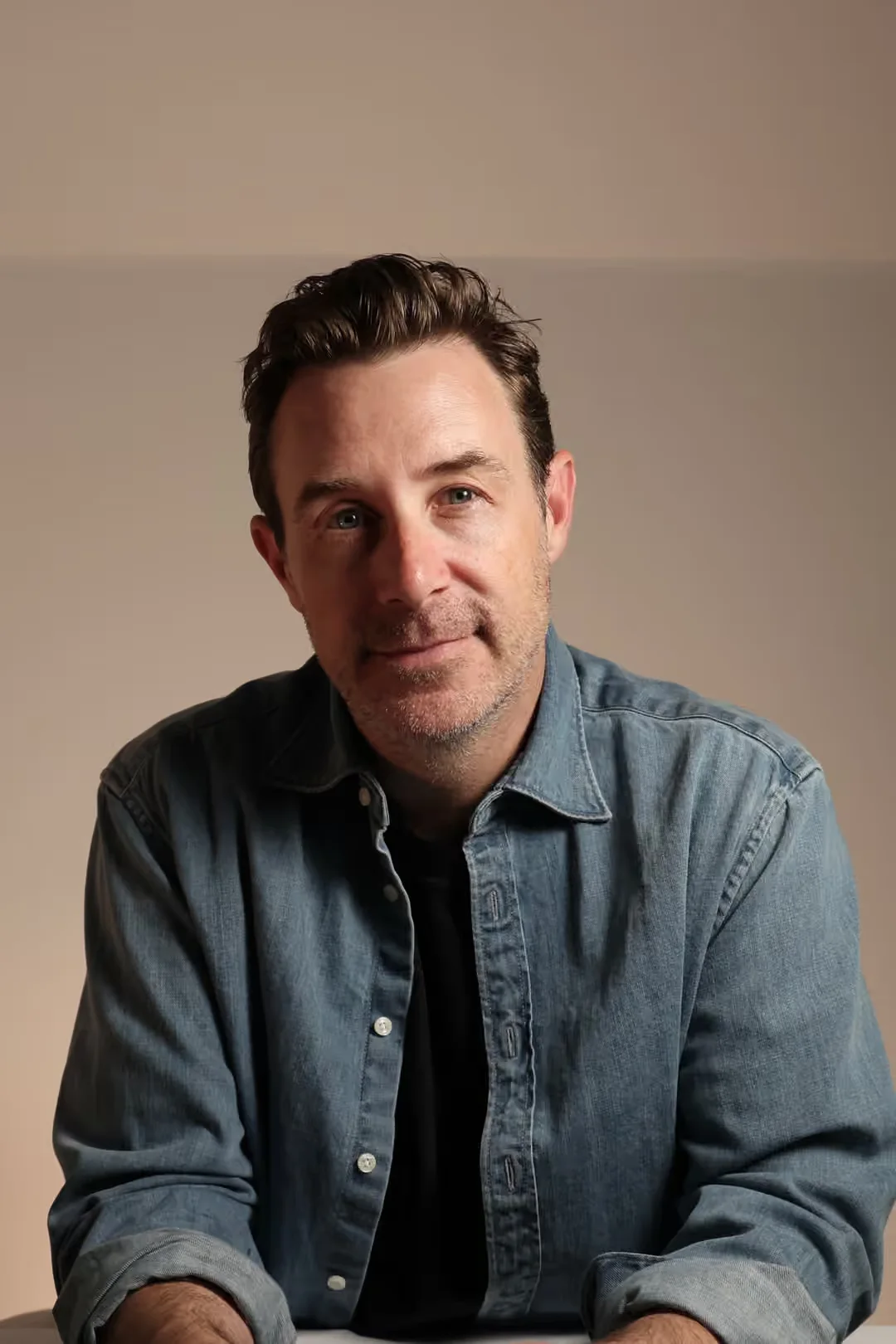
Our founder launched his own DTC brand in 2012, bootstrapped it past $30M with no outside money, ran it profitably for fourteen years and took it on Shark Tank. Along the way he hired agencies big and small and fired every one of them. The questions he asks a client's P&L are the ones he asked his own: what is this spend buying, which customers come back, and where does the margin actually go. That is the difference between advice from a consultant and decisions from someone who has written the checks.
If your brand has outgrown its agency's advice and you are not ready for a $300K hire, this is the seat in between. Read the advisory letter for the whole story in our founder's words, or request access and we will tell you within a day whether the fit is there.
Request access